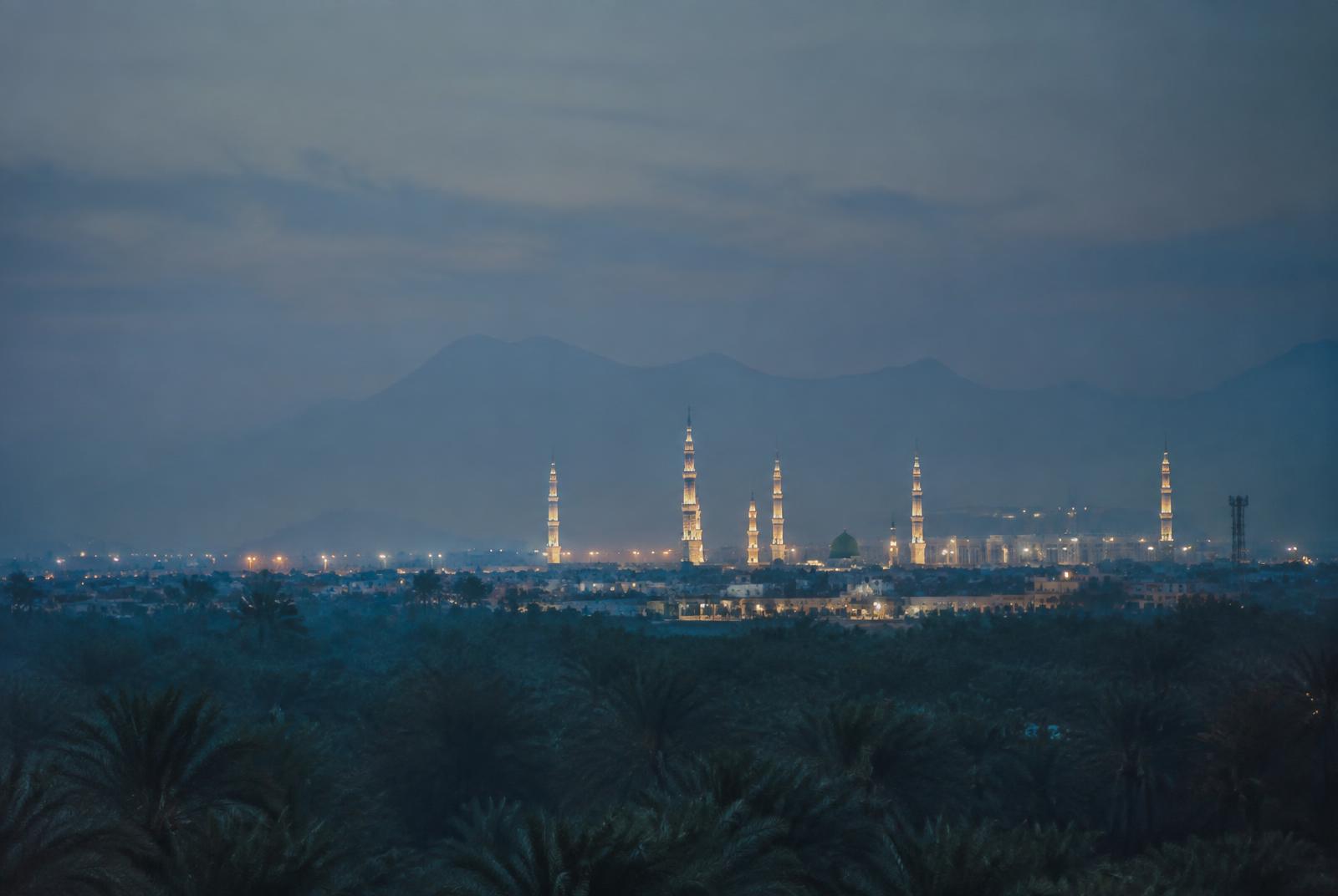
The Hijrah
A journey that changed history
The story of the migration from Makkah to Madinah — told with care, and with respect for what is known and what remains uncertain.
إِلَّا تَنصُرُوهُ فَقَدْ نَصَرَهُ ٱللَّهُ
Chapter 01
What is Hijrah?
The word Hijrah means migration. In Islamic history it refers to the migration of the Prophet Muhammad ﷺ and the early Muslims from Makkah to Yathrib, the city that came to be known as Madinah.
The Hijrah later marked the beginning of the Islamic calendar, adopted during the caliphate of Umar ibn al-Khattab (may Allah be pleased with him).
Chapter 02
Why did the Hijrah happen?
For years in Makkah, the Prophet ﷺ and those who believed in his message faced opposition, boycott and persecution. Meanwhile, people from Yathrib had embraced Islam and pledged to protect him.
The migration came as permission from Allah, opening a way for the community to practise their faith in safety.
Chapter 03
The Journey
According to the Seerah, the Prophet ﷺ left Makkah accompanied by Abu Bakr as-Siddiq (may Allah be pleased with him). They sheltered in the Cave of Thawr for several days before continuing.
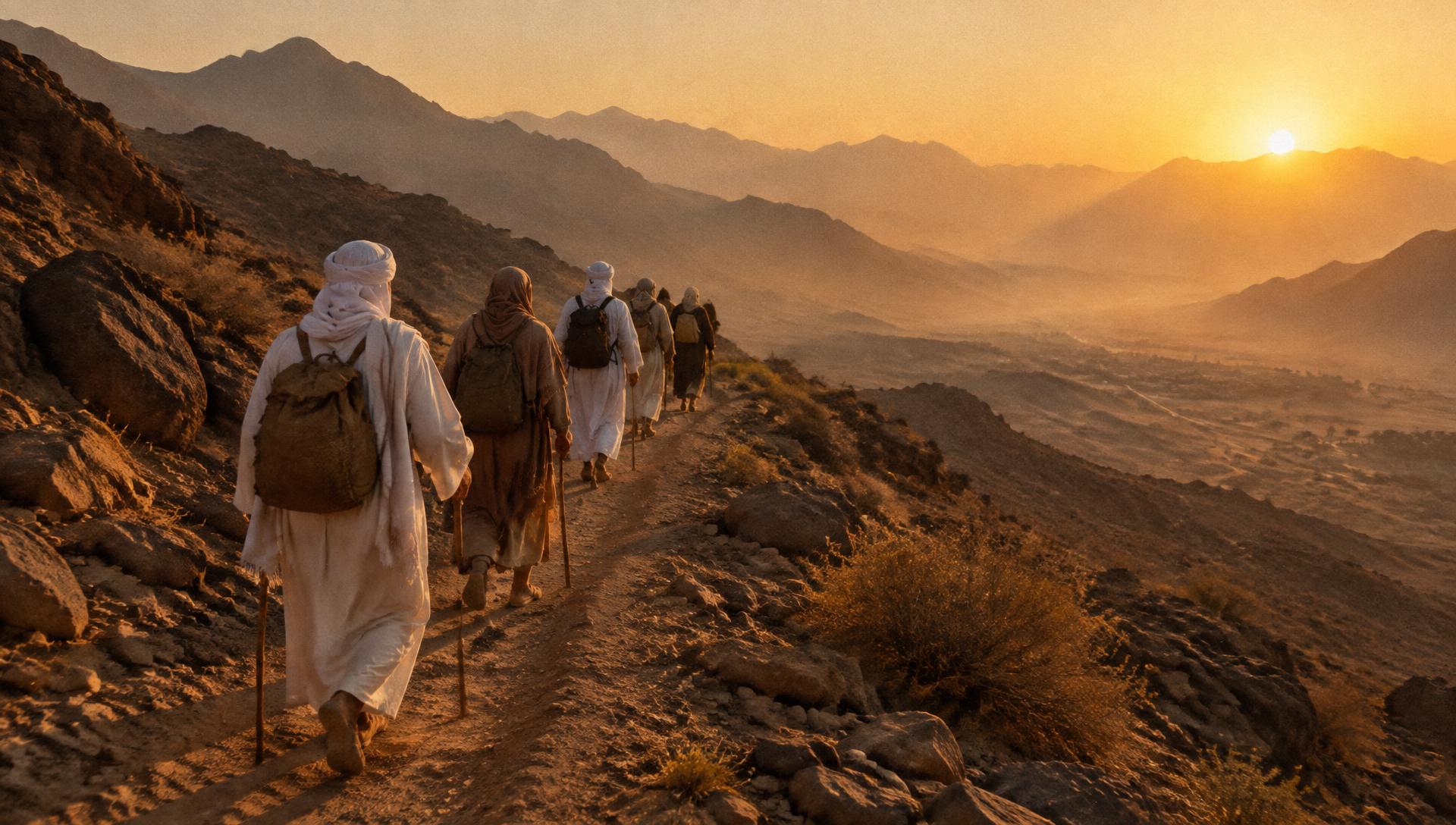
Historical sources describe a less-travelled route across difficult terrain, guided by an experienced guide. Details of the exact path vary between sources, so we present the route as approximate.
Chapter 04
Makkah
Makkah is the city of the Ka'bah and the place where the revelation began. Leaving it was a profound sacrifice — a reminder that faith sometimes asks us to leave what we love.
Chapter 05
The Route
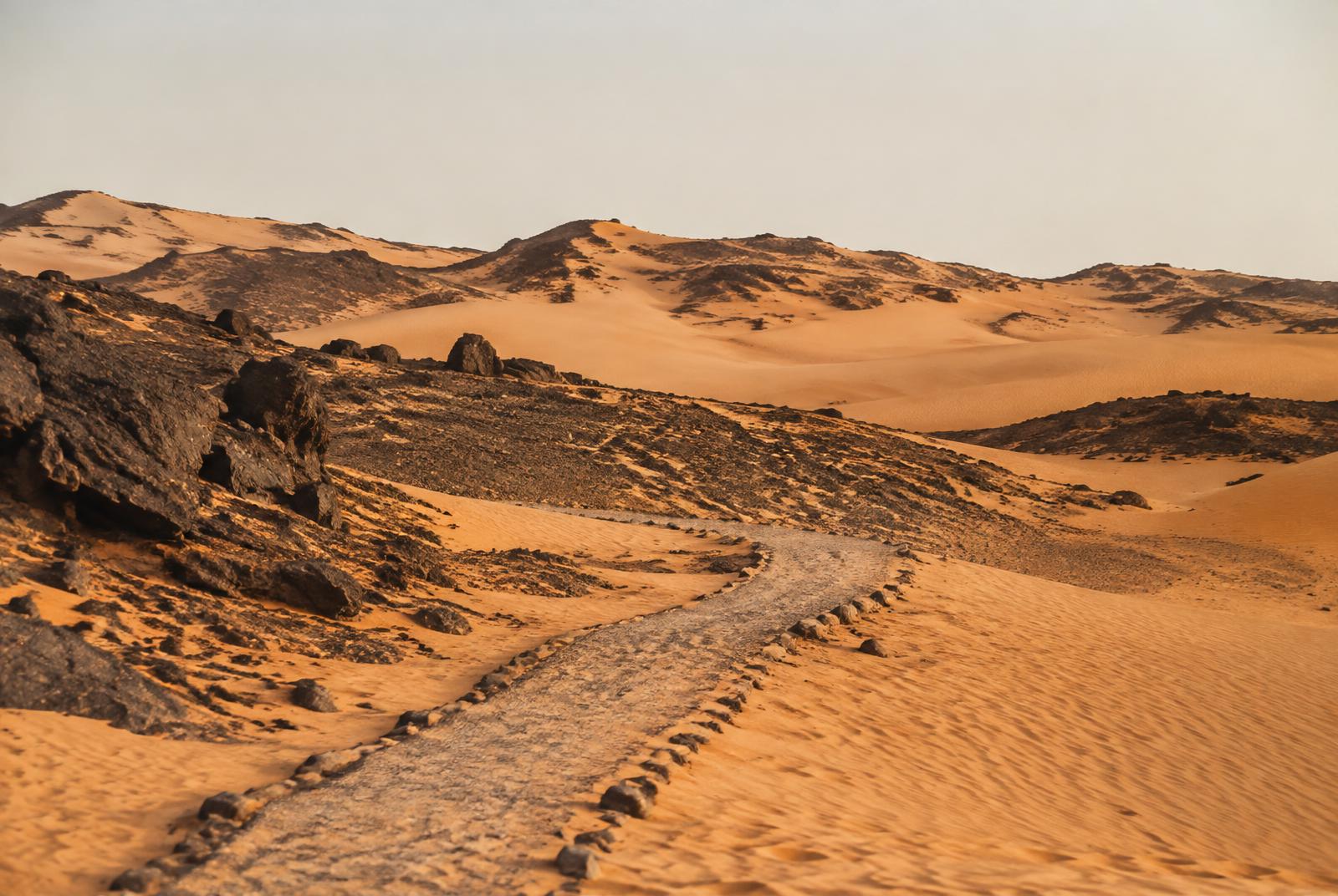
Between Makkah and Madinah lie mountains, valleys and open desert. Walking parts of this landscape gives a physical sense of the distance, heat and patience the journey required.
Chapter 06
Madinah
After stopping at Quba, where the first mosque was established, the Prophet ﷺ entered Madinah to a warm welcome. Here the Muhajirun and the Ansar were joined in brotherhood and a new community was built.
Chapter 07
Why the Hijrah Matters Today
The Hijrah teaches trust in Allah, careful planning, sacrifice, patience, and the strength of community. For many, it is also an invitation to an inner hijrah — moving away from what harms us and towards what is better.